
California seasons and what they mean for roofs
California sees varied weather from coast to interior. Sun, heat, Santa Ana winds, and occasional heavy rain all take a toll on roofs. A simple, statewide maintenance routine helps you spot issues early and extend the life of your roof. We’ve put together a practical checklist for homeowners across the state.
Spring and early summer: inspection and minor fixes
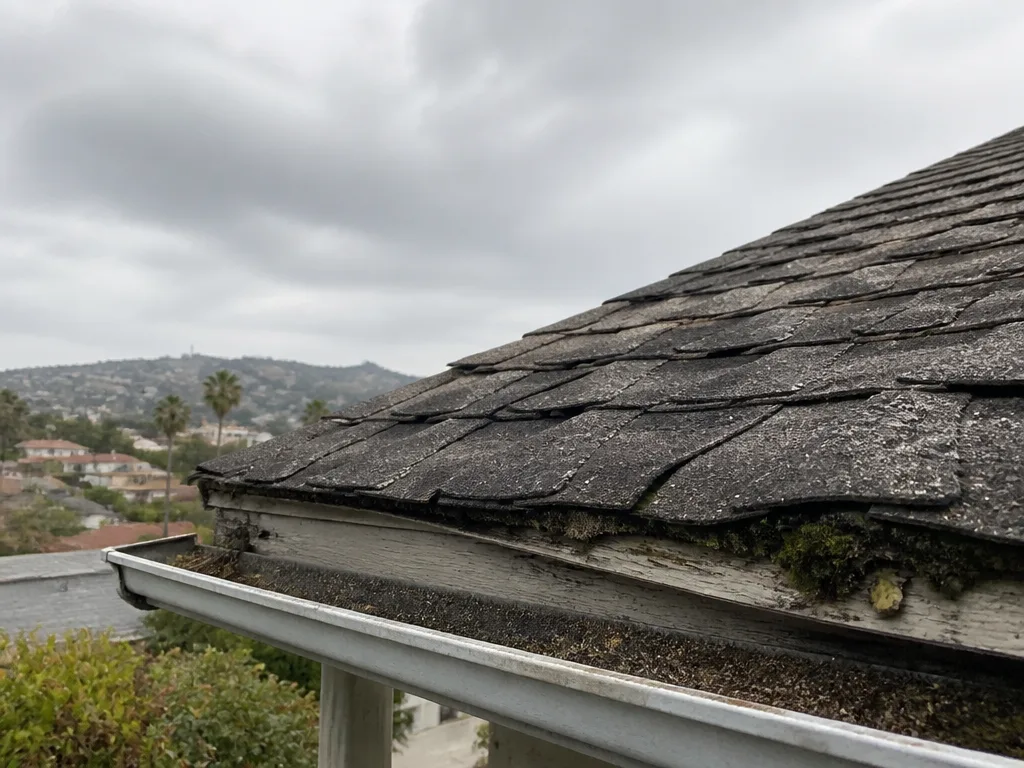
After winter storms, do a visual inspection from the ground if safe. Look for lifted shingles or staining near flashings. Clean gutters and downspouts so water moves freely away from the home. Inspect attic for signs of moisture or airflow problems, especially after the first hot days of the year.
Trim branches that overhang the roof and clear any debris that could trap moisture. If you notice granule loss on several shingles or soft areas in the decking, call a roofer for a check. California crews value a proactive approach to protect interior spaces from leaks during the hotter months.
Summer: heat management and quick checks
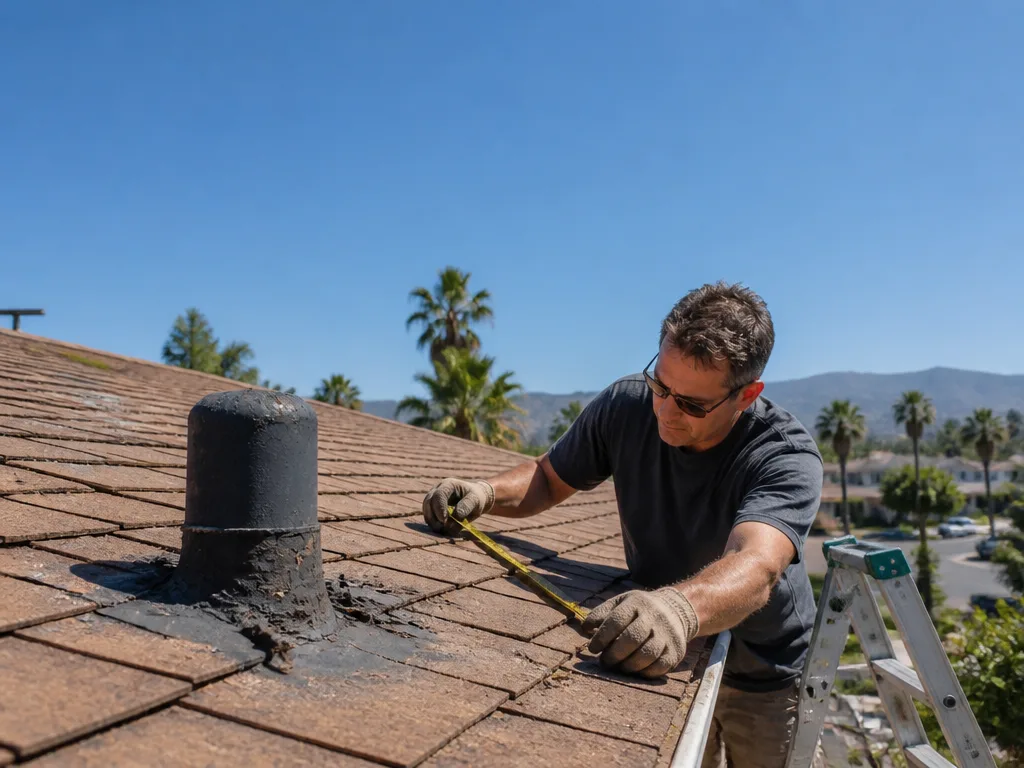
Heat is a silent wear factor. Ensure attic ventilation is moving air properly; good ventilation reduces hot roof temperatures that can damage decking and shingles. Check seals around vents, chimneys, and skylights. A short walk-around on a sunny day can reveal lifted edges or dark streaks indicating moisture migration.
During this season, the focus is on prevention. Keep an eye on solar exposure areas and ensure any rooftop penetrations are intact. A routine inspection from California Gutter Pros can catch issues early before they impact living spaces.
Fall and winter: preparing for storms
Before the rainy season, recheck gutters and downspouts for clogs. Ensure roof edges and flashing are sound. If you spot loose fasteners or missing granules, plan a professional assessment. In California, storms can bring sudden wind-driven rain, so a prepared roof is a quiet defense against leaks.
Schedule a fall inspection with our team to verify drainage paths, flashing integrity, and the condition of any roof penetrations. A proactive plan helps keep homes dry when storms roll in from the coast or inland corridors.
Year-round moves that help every California home
Keep trees trimmed away from the roof, monitor attic insulation, and maintain proper ventilation. Document weather-related damage and seek a professional opinion if you notice repeated issues after storms. Clear communication with your roofer helps create a practical maintenance plan that suits your home and climate.
Quick reference for homeowners
- Inspect after heavy rain or wind events
- Clean gutters twice a year, more if trees are nearby
- Schedule a professional roof check annually or after severe weather